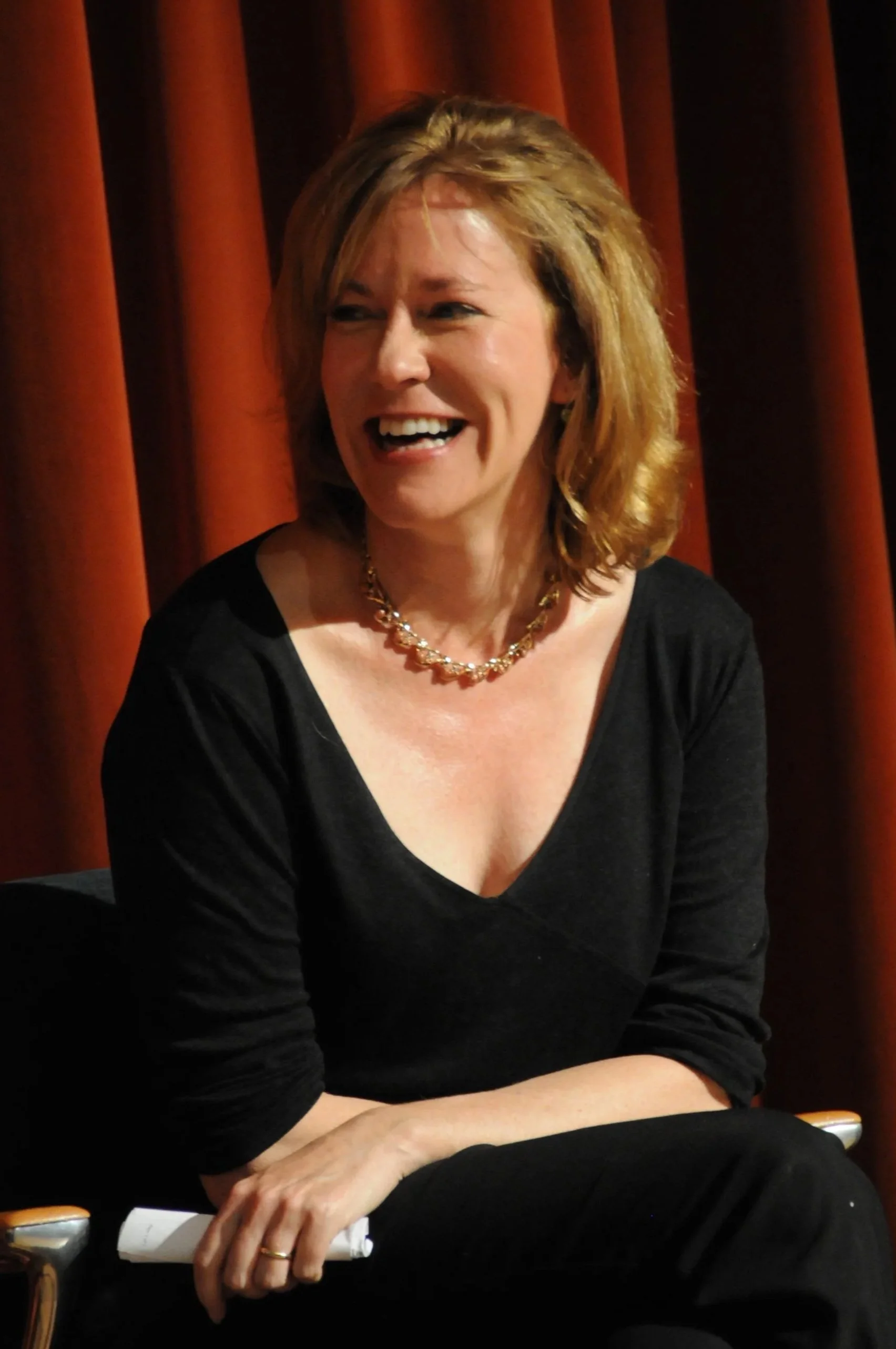
Philippa Kelly
LUMINARIES
A conversation series
In parallel and in conversation with our 2026 Season: The Land of the Free, Oakland Theater Project is thrilled to launch Luminaries, a new conversation series that will immerse theatergoers in the worlds of philosophy and ethics in which much of theater is grounded.
Often, a production will provoke thoughts and questions without signposting where it comes from or how its central questions work.
In interviews with some of the most important thinkers of our day, OTP Resident Dramaturg and Dr. Philippa Kelly and Executive Artistic Director Michael Socrates Moran will open up such questions, seeking in-depth understandings of ourselves, our world, and how we (and it) are represented.
Each 1-hour conversation session will take place via Zoom, with the last 15 minutes reserved for questions and commentary from the audience.
Live Participation: $15
Access to Post-Event Recording: $10
Event revenues go directly to supporting our actors.
(In other words: We Are Because of You!)
JUDITH BUTLER
REHEARSING IDENTITY: HOW WE ARE WHO WE ARE
monday, MAY 11 — 9 a.m. PST
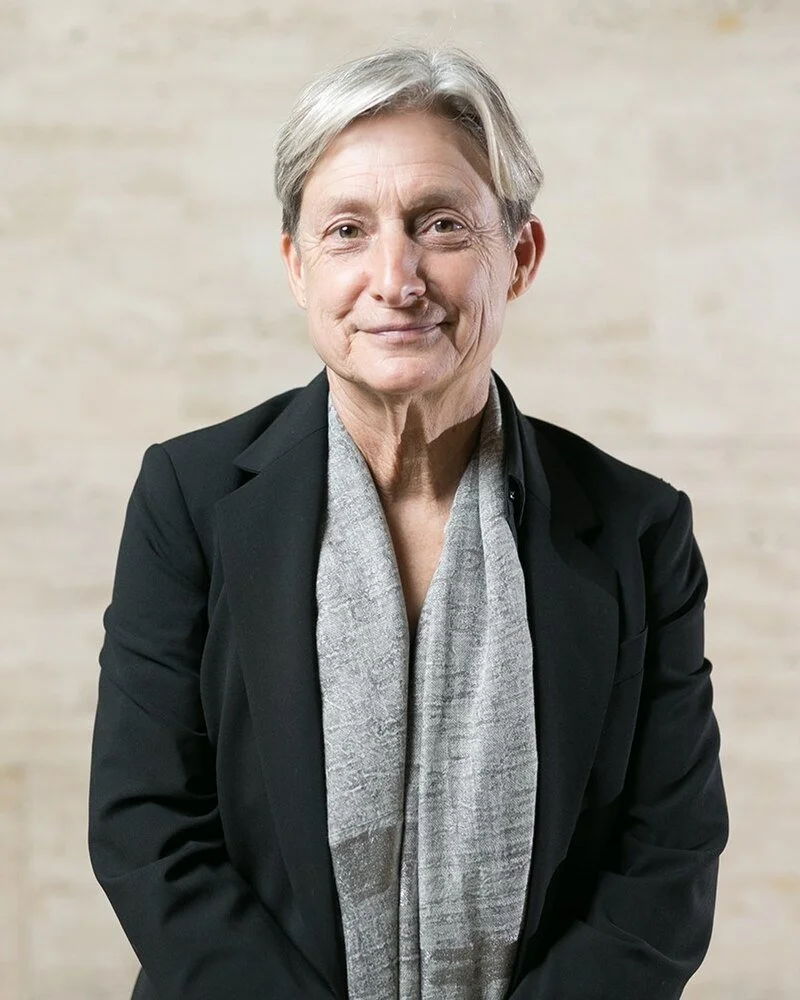
As a philosopher and gender theorist at the University of California, Berkeley, Judith Butler, over the past three and-a-half decades, has fundamentally shaped world thinking in feminist thought, political philosophy, and ethical inquiry. Judith’s groundbreaking 1990 book Gender Trouble introduced the theory of gender performativity—the idea that gender is not a stable identity but is constituted, or rehearsed, through repeated acts, gestures, and speech. This concept shifted the focus from “what gender is” to “what gender does,” challenging foundational notions of who we “are” as gendered subjects in society.
Subsequent to Gender Trouble, Judith wrote Bodies That Matter, arguing that a “natural” sex does not exist in contrast to a socially-constructed “gender:” sex is also a construction. We only see a body as male or female if it keeps meeting the standards that society has set for what those bodies should look like and do. In order to normalize aspects of gender or sex, human beings tend to perceive, or agree on, some bodies as being outside of the norm. In other words, some lives are not recognized as livable within the dominant framework. Examples include the transgressive body that defies sex assignment, and Judith (citing Julia Kristeva) calls them “abject.” They threaten the boundaries of “the normal,” and therefore they are repudiated in order to embed coherent understandings of sex and gender.
Judith’s work, Precarious Life: The Powers of Mourning and Violence, was written in response to the 9/11 attacks of 2001. It offers a powerful framework for understanding which lives are valued in society, which lives are considered important enough to be “grievable,” and what our true ethical responsibilities are to one another. The way a society manages its collective vulnerability—deciding whose lives are protected and whose can be exposed—is a political question that needs to be addressed, not veiled by the gauze of an assumed mainstream “we.” Other major books include Frames of War and The Force of Nonviolence.
With an influence extending across the humanities and social sciences, Judith is one of the most cited and debated scholars in contemporary world thought.
Date: May 11th
Time: 9am PT
Location: Online, Zoom
Ticket Types:
Live Participation: $15
Access to Post-Event Recording: $10
STEPHEN GREENBLATT
Dark Renaissance: The Dangerous Times and Fatal Genius of Shakespeare's Greatest Rival
monday, JUNE 1 — 3 Pm PST
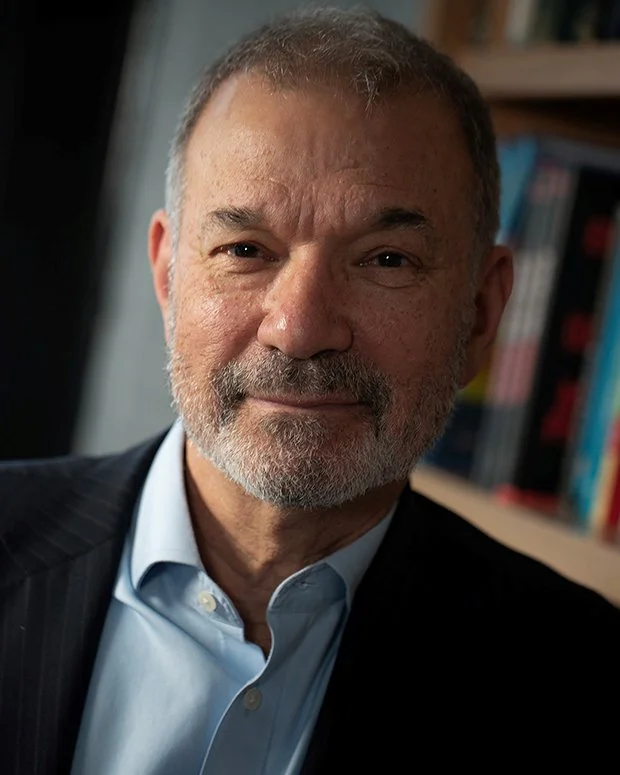
Professor Stephen Greenblatt, John Cogan Professor of English at Harvard University, Pulitzer Prize and National Book Awardee, has changed the shape of how we think about past worlds and the works of art that were forged within them. Joining the acclaimed Will in the World: How Shakespeare Became Shakespeare, Greenblatt’s latest book, Dark Renaissance: The Dangerous Times and Fatal Genius of Shakespeare's Greatest Rival, offers an equally stunning story of Christopher Marlowe, playwright and poet. Born just months away from Shakespeare, Marlowe died violently before the age of 30. In Dark Renaissance, we can almost hear the clip of the horses’ hooves on the cobbled streets of London, smell the butchers and the ale-houses, feel the anarchic ambition infusing this young man, playwright, poet, scholar and spy.
Live Participation: $15
Access to Post-Event Recording: $10
Date: June 1st
Time: 3pm PT
Location: Online, Zoom
Ticket Types:
Live Participation: $15
Access to Post-Event Recording: $10